


5 things you probably don’t know about Málaga
(and if you’re local, maybe you don’t either)
Planning a getaway to Málaga and keen to really get to know the city? You’re in the right place. Because beyond the must-see landmarks and the spots that feature in every travel guide, truly understanding a city means uncovering its hidden stories and lesser-known details. That’s exactly what we’re sharing here.
Málaga is so much more than sun and sand. Beyond its monuments and famous beaches, this Andalusian city is full of fascinating quirks that are well worth discovering.
Tap into your inner explorer and uncover 5 surprising facts about Málaga you might not know… and that even locals sometimes forget.
The city has its own accent… and it’s not what you expect
We start with one of Málaga’s most striking curiosities: its accent. It forms part of the Andalusian dialect and is characterised by a rhythmic intonation, dropped consonants (especially the final “s”) and softer sounds, such as the intervocalic “d”.
The Málaga accent has a personality all of its own. Everyday words can sound completely different from standard Spanish, creating a relaxed, almost musical way of speaking. And it’s not just about pronunciation. Local expressions and turns of phrase say a lot about the Malagueño character. For example:
- “Ser un malaje.” Used across parts of Andalusia but especially common in Málaga, it describes someone who’s unpleasant or kills the vibe. “No seas malaje” is something you might hear among friends when someone starts being grumpy.
“No ni ná.” A classic Andalusian expression that means a very firm “of course” or “absolutely”, even though it sounds negative. A triple negative that, rather brilliantly, means yes.

The origin of Málaga’s famous tapas: more than just a tradition
If there’s one thing that brings Spain together, it’s tapas. And while there’s no single agreed origin story, many theories place their beginnings in Andalusia, the region Málaga calls home.
The word tapa comes from the Spanish verb tapar, meaning to cover. One of the most popular stories suggests that tapas started as small bites of food placed on top of glasses of wine or sherry to keep out dust and insects, a practical solution given the climate at the time. Over the years, that simple “cover” of bread, cheese or ham evolved into a culinary ritual that now defines Spanish gastronomy. A clever idea, right?
In Málaga, one of the most iconic and traditional tapas is espeto de sardinas: sardines skewered on a cane and grilled over open flames. These fires are often set in small wooden boats, a nod to the city’s deep connection with the Mediterranean. A simple plan, and a seriously delicious one.
At BYPILLOW, you’ll find hotels right by Málaga’s beach, so you can enjoy the city without losing sight of its bond with the sea. Stay at BYPILLOW California and soak up that unmistakable Andalusian essence.

The Levante wind: a force that shapes local life
Another of Málaga’s defining features is its enviable Mediterranean climate. But one of its most surprising weather elements is the Levante wind. It’s not exclusive to Málaga, as it affects much of the western Mediterranean, but when it blows strongly, it can turn plans upside down.
The Levante is an easterly wind that can bring sudden changes in temperature, humidity and sea conditions. On particularly blustery days, the sea becomes rougher and the air can feel warmer or heavier.
For locals, the Levante is part of the seasonal rhythm. They know when to expect it and how to adapt, especially around the port or on outdoor terraces. For visitors, it can feel like discovering a completely different side of Málaga’s climate, accompanying afternoon strolls or evenings along the promenade.

Picasso wasn’t just a painter. He also designed ceramics in Málaga
Most people know that Pablo Picasso was born in Málaga in 1881 and that the city proudly claims its place as the birthplace of one of the most influential artists of the 20th century.
What’s less widely known is that his artistic curiosity went far beyond painting. Throughout his career, Picasso developed a strong interest in ceramics, experimenting with shapes, colours and techniques.
This side of his work can be seen in museums and collections where everyday objects such as plates, vases and tiles are transformed into distinctive works of art. If you want to explore Málaga’s artistic soul, the Picasso Museum Málaga is unmissable, celebrating the city’s most internationally renowned figure.
Málaga was founded by the Phoenicians… over 2,800 years ago
One of the most surprising and least known facts is that Málaga is among the oldest cities in Europe. Its origins date back to the 8th century BC, when it was founded by the Phoenicians as a trading settlement called Malaka.
The Phoenicians were skilled seafarers from the eastern Mediterranean, and they chose this location for its natural harbour and excellent maritime access. Over the centuries, Málaga developed under Roman, Muslim and Christian rule, with each civilisation leaving visible marks on its architecture, streets and culture.
Even today, archaeological remains of the Phoenician walls can still be seen in parts of the historic centre. Málaga is a city shaped by thousands of years of history and has long been a crossroads of cultures.
If history and culture are high on your list, BYPILLOW offers hotels in the heart of Málaga where comfort comes as standard, such as BYPILLOW Villa Lorena and BYPILLOW California.
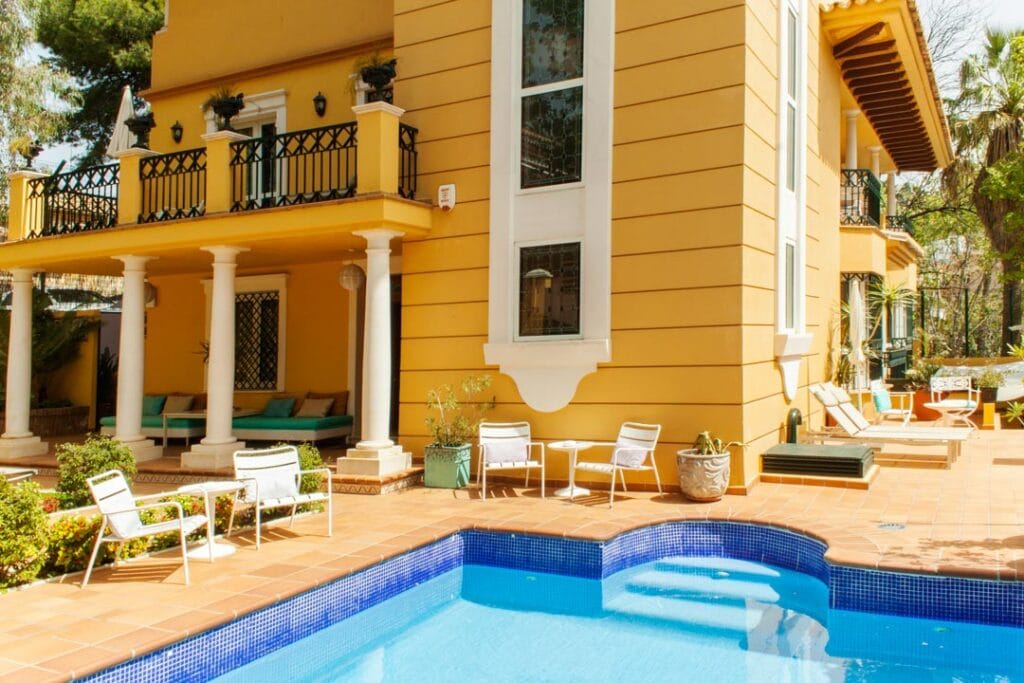
Take a break to Málaga and uncover its secrets
If these curiosities have already surprised you, just imagine what you’ll discover in person. At BYPILLOW, you’ll find hotels in Málaga both in the city centre and by the beach, perfect for a getaway filled with flavour, history and culture.
Let yourself be carried away by Málaga’s spirit, its art and its people, and enjoy a city full of hidden stories that are sure to leave you amazed.