Tere Guix
The Imperfect Rhythm of Form
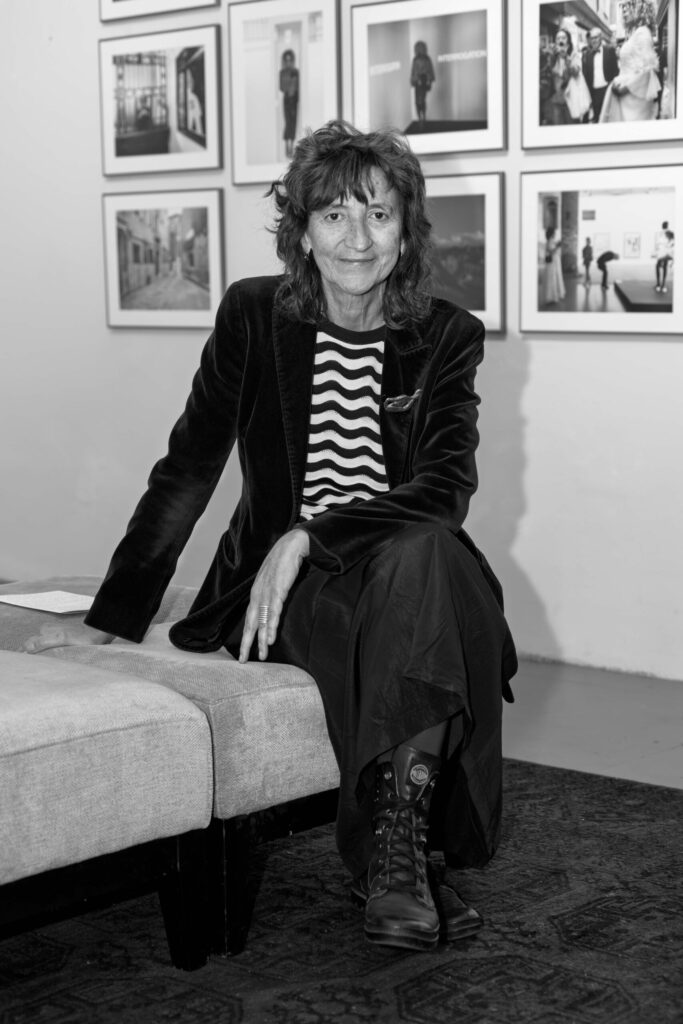
Tere Guix is a graphic designer and visual artist, founder of Estudi Guix. Her work moves between design, illustration, and manual experimentation, building images from simple shapes, repetition, and texture. Geometry is present, but it’s never entirely exact: in her compositions, there’s always room for accident, intuition, and the unexpected.
The Beauty of the Unpredictable
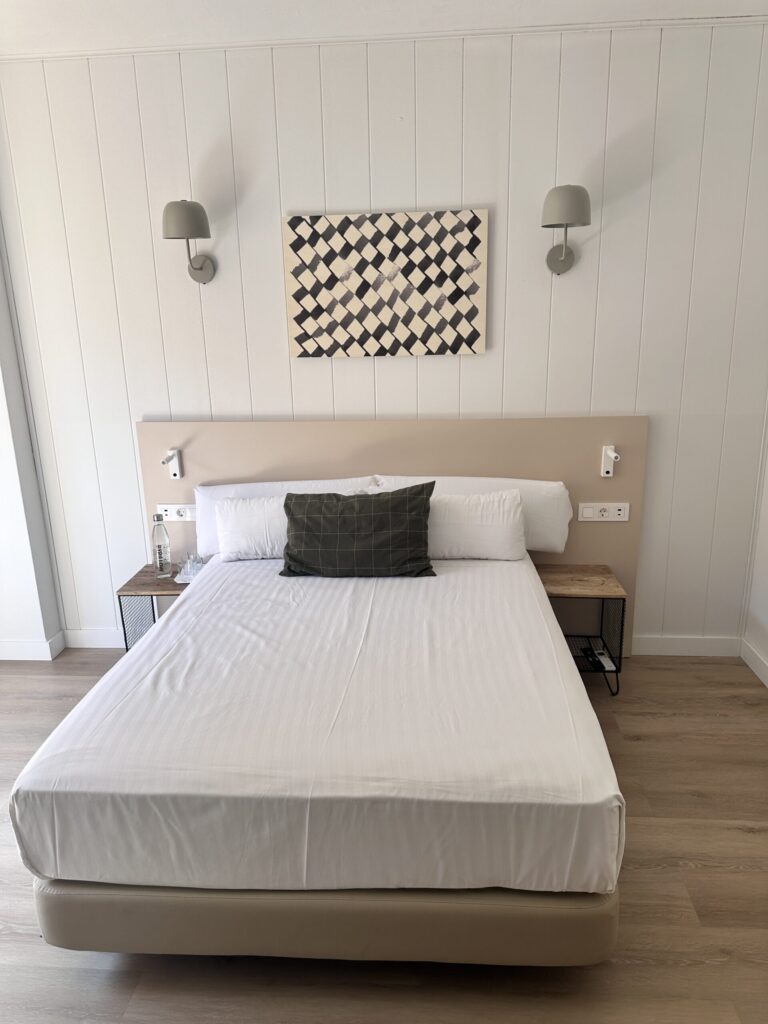
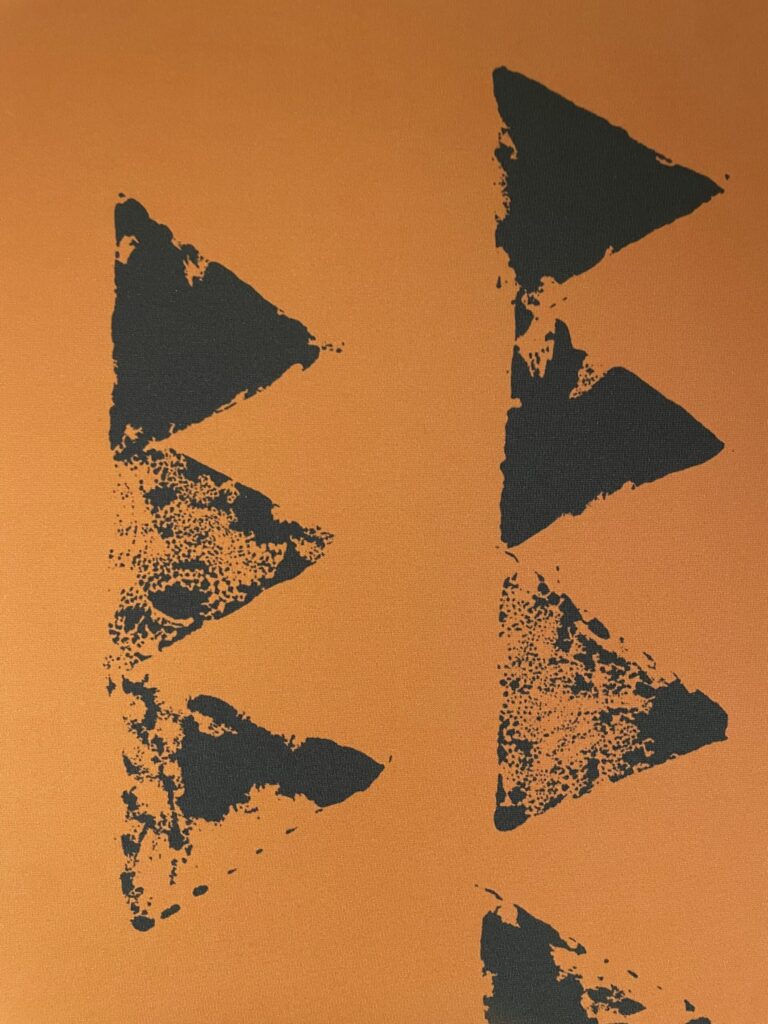
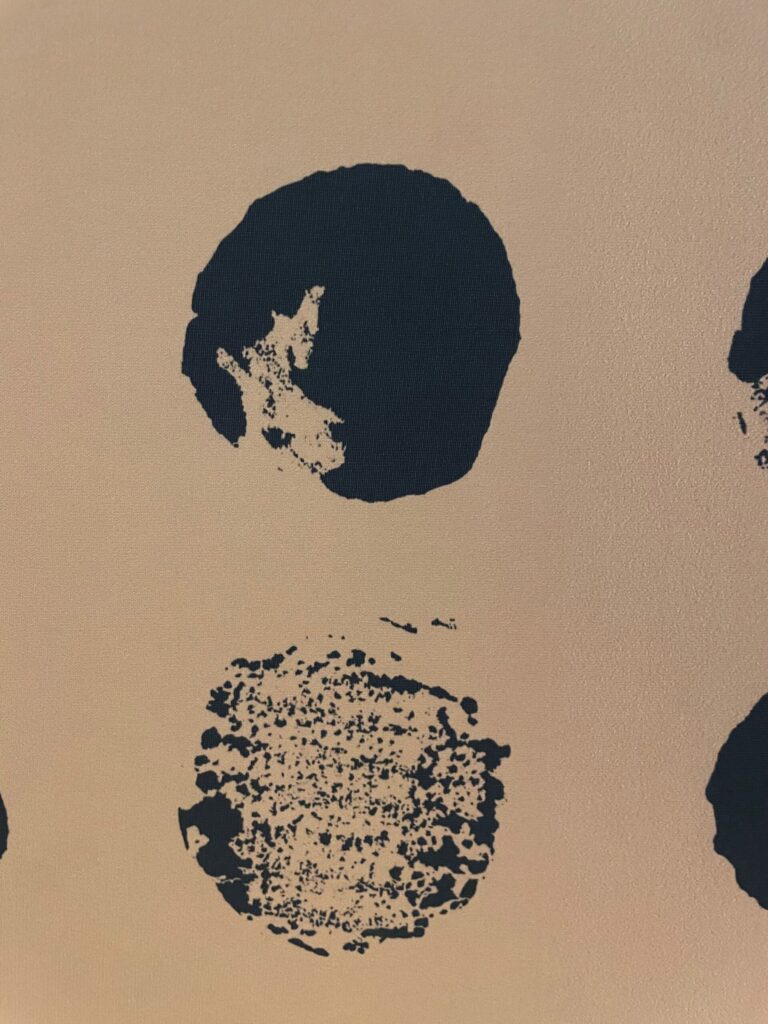
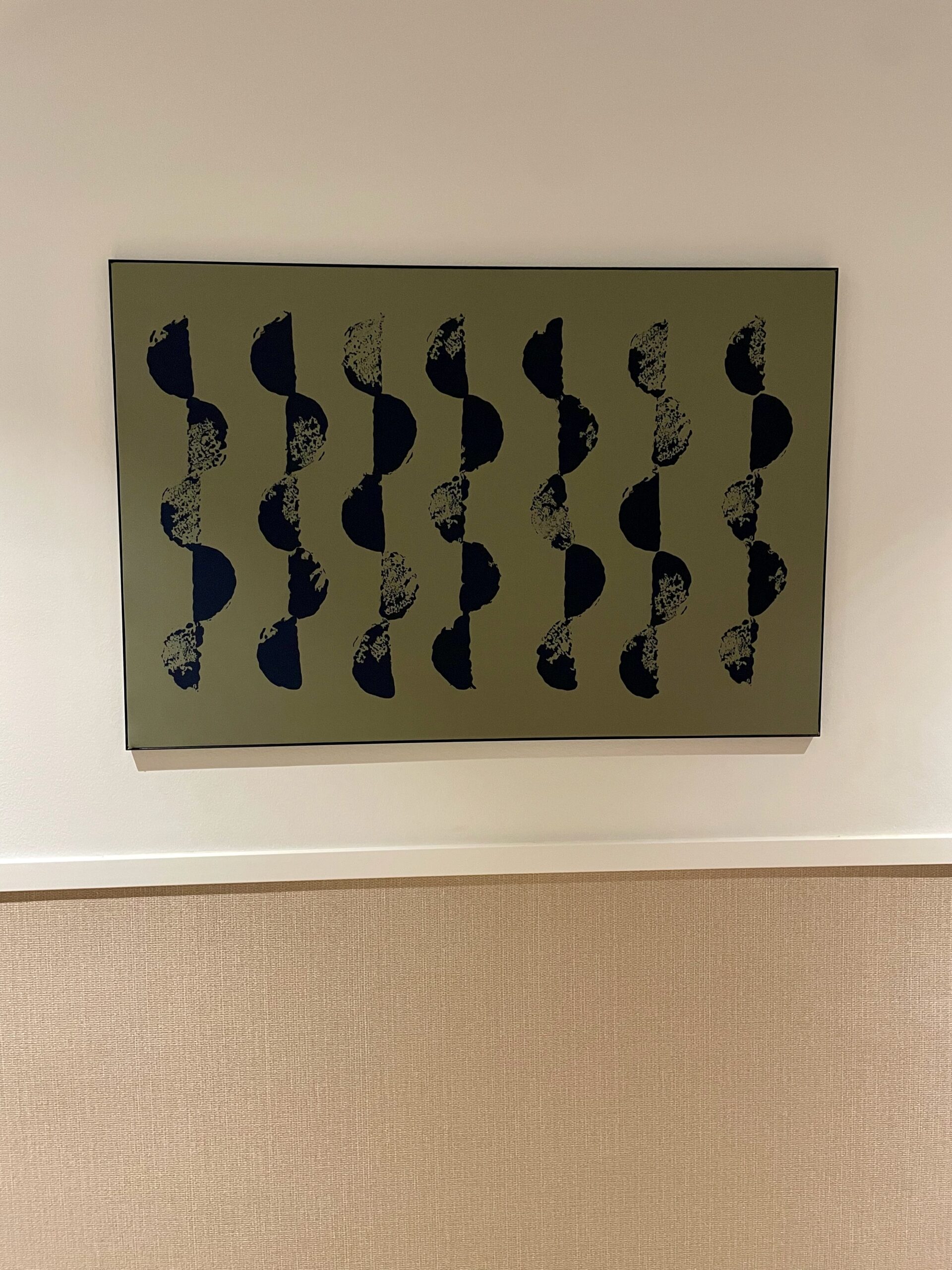
Many of her works are created using found objects or repurposed materials as tools and supports: wood fragments, irregular surfaces, ink, paint, and elements that leave their own mark on paper. Repeating a gesture creates a pattern, but no two shapes are ever identical.
That slight lack of control is part of the process. The ink might spread differently, a surface might print more or less paint, and an imperfection can end up defining the entire composition. The result is both geometric and organic at the same time: order, repetition, and a touch of mystery.
Mapping the Ephemeral
Born in Barcelona in 1970, Roger Grasas is a documentary photographer whose work examines the transformation of the contemporary landscape as a result of the interconnections between technology, capitalism, and globalization. With a degree in philosophy and training in photography and art theory, he began his career in 1998 documenting development projects for various NGOs as well as for UNESCO. Since then, he has carried out projects in the Middle East, Europe, and other regions, with an approach that combines critical analysis with a keen visual sensibility. His work has been exhibited internationally and has received awards such as the PHotoEspaña Discoveries Award in 2018.
Roger Grasas’s photography is a kind of cartography of the ephemeral. His work explores the intersection between technology, landscape, and postmodern society, documenting the contrasts and paradoxes between tradition and the unstoppable advance of the globalized world. With an aesthetic that oscillates between the documentary and the conceptual, his images capture the tension between past and present, between the local and the global, transforming the everyday into a visual testimony of change. His international exhibitions and publications have established his work as a benchmark in depicting the impact of postmodernity on the landscape.
The project at BYPILLOW Erba
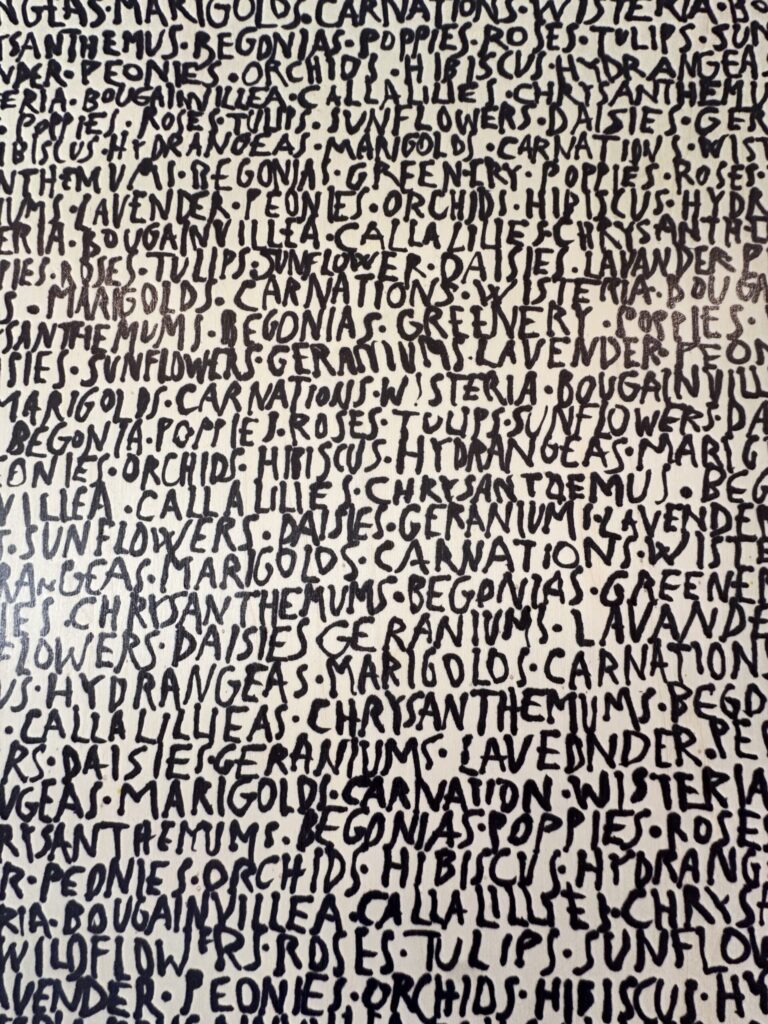
For BYPILLOW Erba, Tere Guix brings this language to Girona, taking the city and some of its most recognizable imagery as a starting point. The presence of flowers, closely linked to Girona and Temps de Flors, is reinterpreted through her working method: not as a literal representation, but transformed into shapes, rhythms, and patterns.
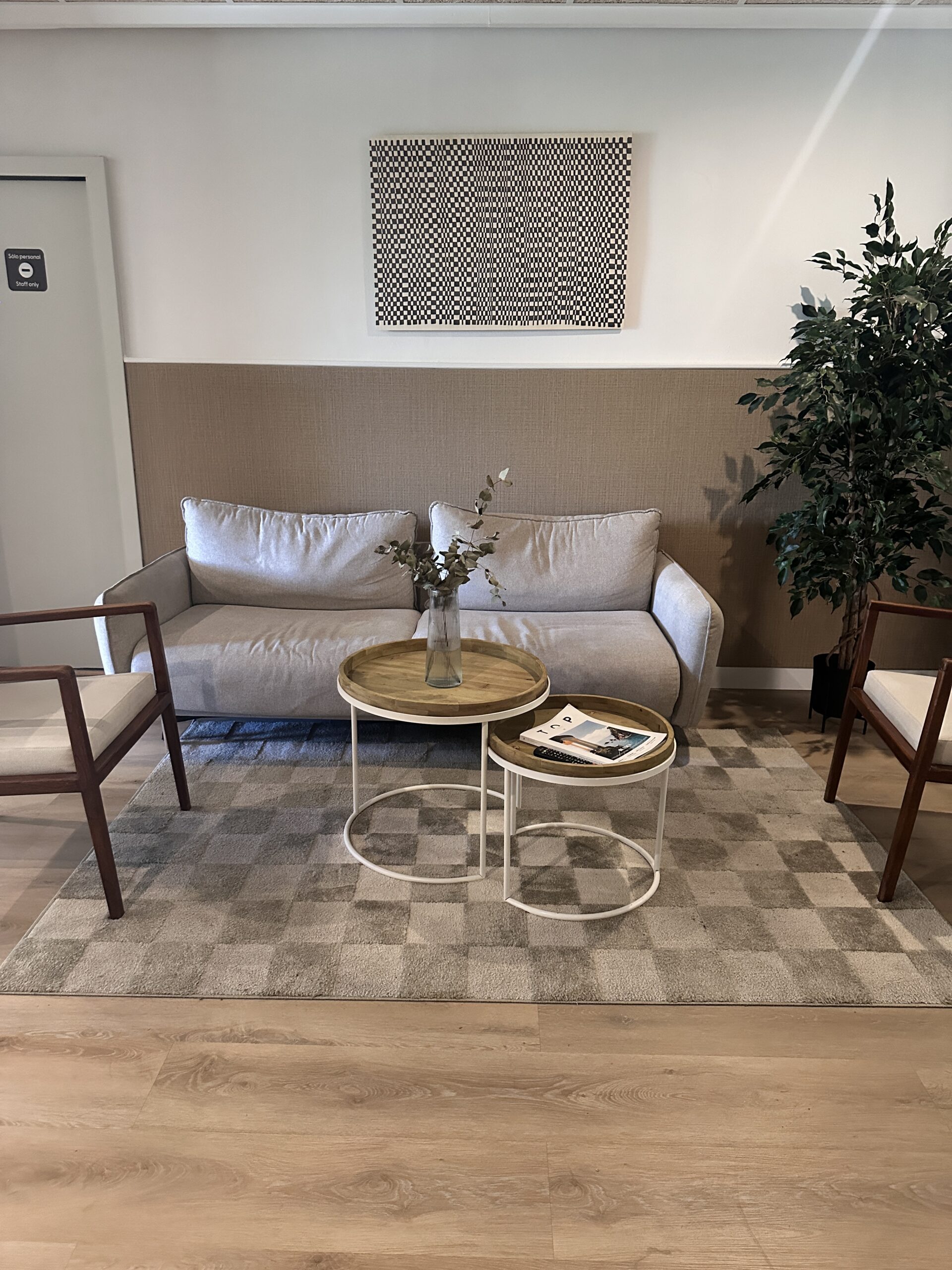
A first series works exclusively in black and white. These are compositions created from her manual processes and printed on wood, where the texture of the support precisely reinforces what makes her work recognizable: irregularity within repetition.
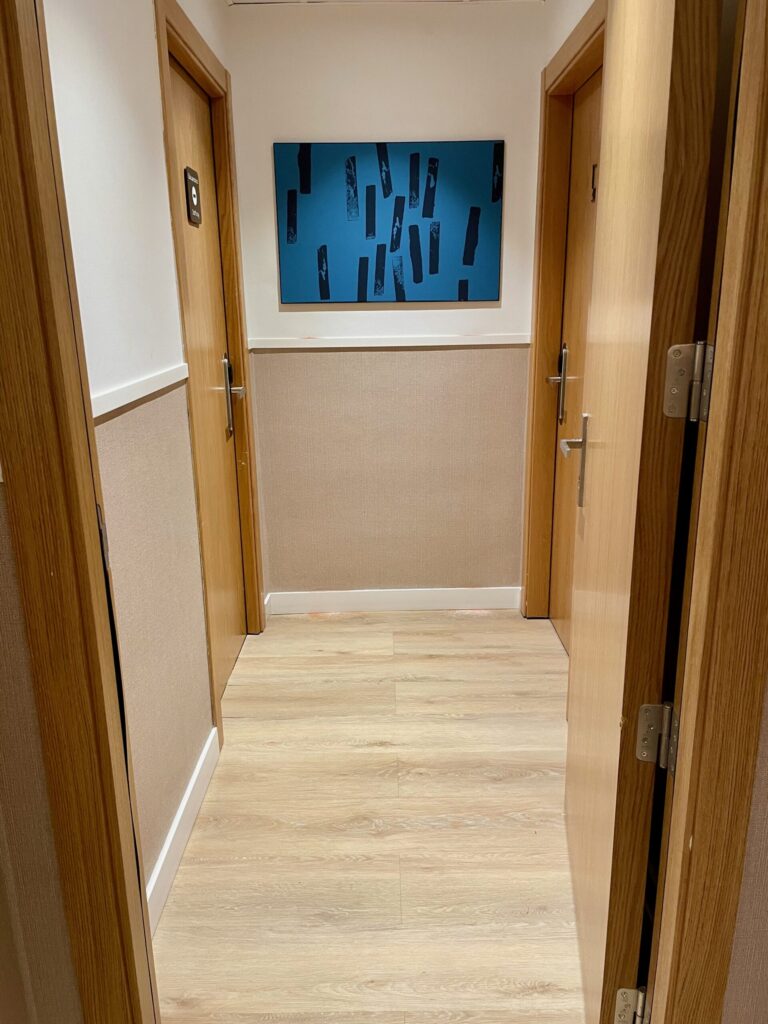
In the common areas, some of her more colorful illustrations also appear, reproduced on fabric from the original works. Here, Girona enters from another perspective: through color, organic forms, and a freer gaze upon the city’s landscape and botanical imagery.
The scale, medium, and color change, but the same way of constructing images remains. Two ways of looking at Girona through Tere Guix’s universe and the same underlying idea: letting the process also have something to say.